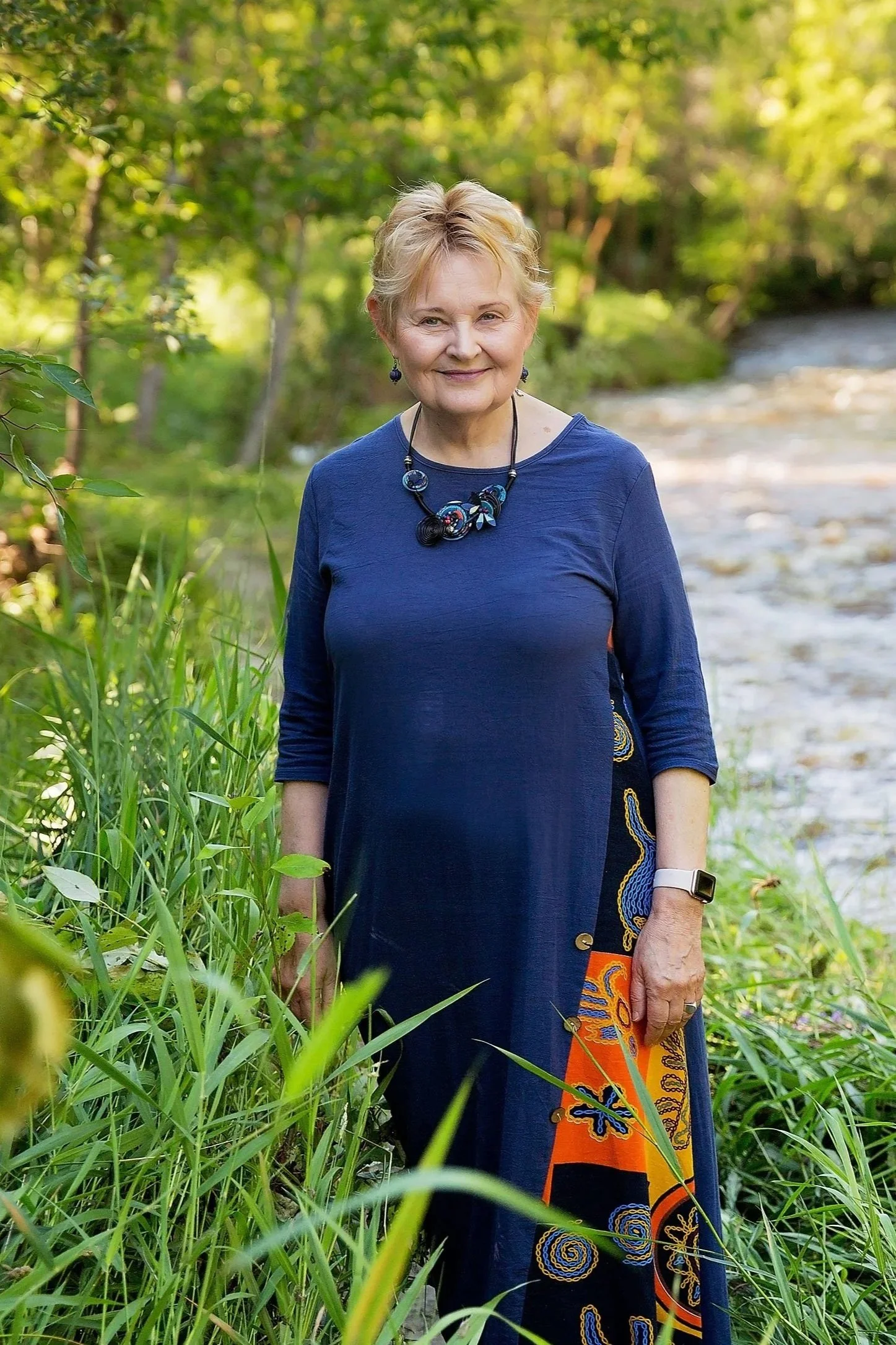
Coaching
The art and science of coaching is in the questions a coach asks. The complexity of the questions vary through out the session but when I ask a question that really makes the client ponder the answer, we both feel a shift forward in their progress. Typically the client leaves with unanswered questions that are part of their homework. I formalized my coaching training through Solution-focused courses at Erickson College in Vancouver but I really learned how to coach by being a scholar.
This means I learned early in my career to question first my assumptions, to understand what I knew and did not know, and how to work with others to help them and myself to be better teachers and researchers. I quickly learned by being coached by others that telling was not teaching and obtaining research funding was the easiest part of the research process. I learned how to think in different ways. Some would label it as as critical thinking but I too enjoyed abstract thinking and metacognition which is thinking about thinking. So when I ask coaching questions they come from a history steeped in scholarship.
Lifestyle psychology/medicine is very important to me. To be truly effective, a person must have restorative sleep, good nutrition, exercise, ways of promoting resilience, meaningful relationships and management of metabolic processes (blood pressure, heart function, kidney function, etc.) Striving for good physical health is as important as mental health.